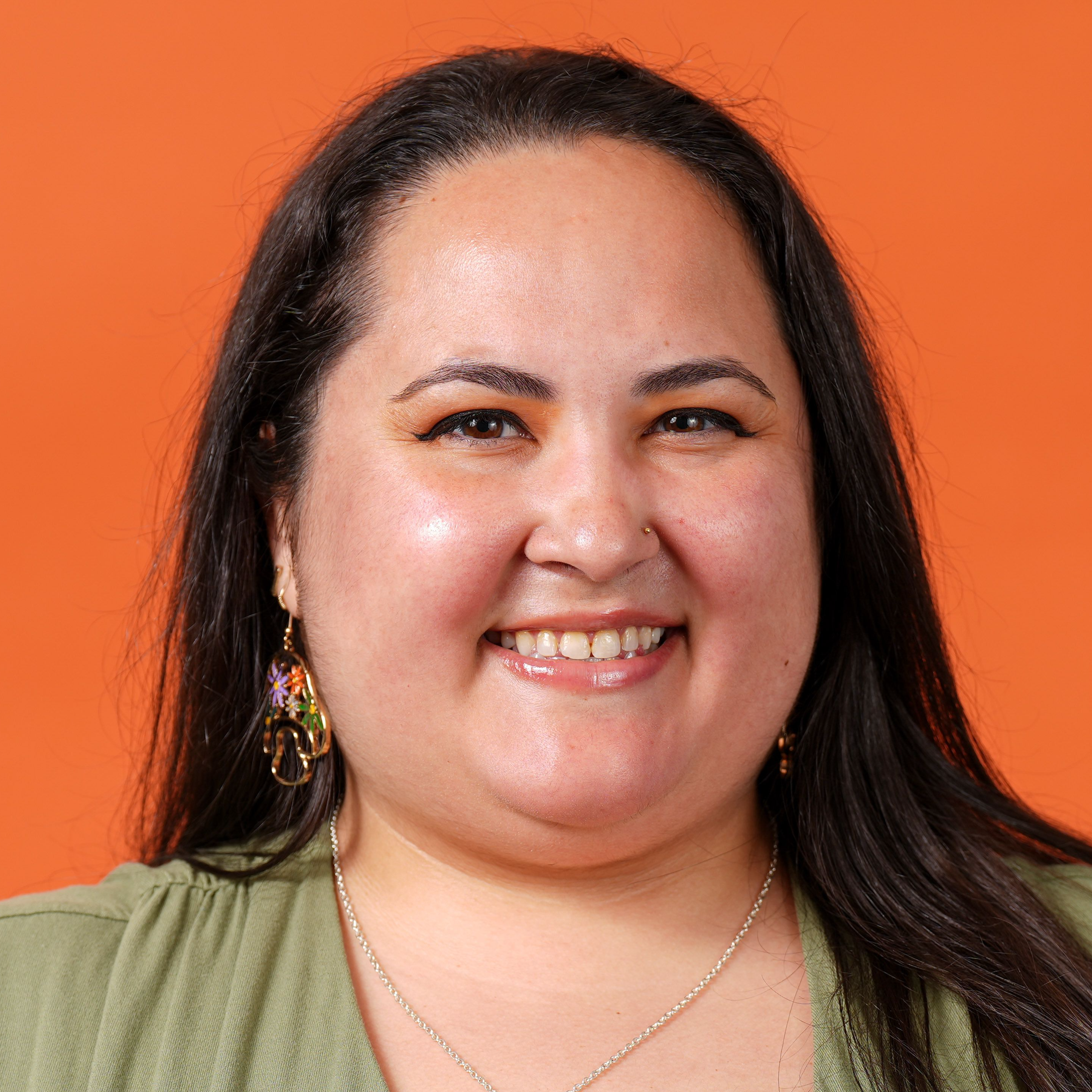
Over nearly three decades working with students, Allison Schweigman noticed a disturbing trend.
She kept hearing from parents who said a lack of proper special education services was forcing them to yank their neurodivergent kids out of the private schools their siblings attended. She was concerned that those students might think something was wrong with them.
Schweigman is starting SOLL Academy to fulfill her vision of offering parents a faith-based school where they can enroll all of their kids, regardless of their learning differences.
Neurodivergent people have brains that operate differently than what is considered “normal,” or neurotypical, and those differences can create learning or behavioral deviations that make typical schools challenging for kids.
Schweigman said her school needs to be Christian so she can openly teach kids they’re made in the image of God. But operating a religious school means Schweigman has to rely on tuition and fundraising rather than guaranteed state dollars, an ambitious feat that will be particularly challenging because she has to pay for expensive special education services.
If she pulls it off, SOLL Academy will fill what some experts say is a gap in private education for a growing population of students with disabilities.
Read More
“Our goal is to serve the neurodivergent population in an inclusive setting,” Schweigman said. “The school is not strictly a special needs school, but it would be a school that could serve neurodivergent needs alongside the neurotypical.”
When the school opens in the fall at the former Liberty Christian School building in Owings Mills, Schweigman plans to focus on dyslexia and dysgraphia, learning disabilities that affect kids’ ability to read and write, and dyscalculia, which makes it hard to understand math. She also wants to work with kids with speech delays, executive functioning problems and sensory processing issues, which will include some kids on the autism spectrum and with attention-deficit/hyperactivity disorder. Schweigman, who declined to share a tuition estimate but said she plans to fundraise for financial aid, said she’ll interview all students to make sure she can help them.
“The vision is to grow what we are able to do, in time,” Schweigman said.
SOLL stands for Seeds of Love and Learning, the name of Schweigman’s consulting nonprofit that aims to connect private schools and individual families with special education services including one-to-one aides. The K-8 school is not affiliated with a church or denomination.
The mother of three saw her own son with learning needs struggle in the public school system, which he left to do homeschooling online during the pandemic. Nationally, parents of about 30-40% of homeschooled kids say those students have special needs, which may be driving a homeschooling explosion in Maryland as public school enrollment declines.
“In the real world, we’re all in community together,” Schweigman said. “So I think it’s important for us to all be able to learn together, learn from each other.”

But Bryan Wilson, executive director of the Maryland Association of Christian Schools, said approximately half of its nine members, who collectively educate over 3,500 students, can afford to offer special education.
It’s a math problem. Special education teachers tend to teach fewer students at a time, so tuitions don’t stretch as far, and there’s only so much private schools can charge without pricing out families. Wilson’s school charges special fees to families who need extra services, and it can’t take on students “who at some level could not function in the regular classroom.”
“We have five full-time special educators on our staff. That’s rather unusual for most Christian schools, which just simply are not able to sustain that kind of staffing infrastructure,” said Wilson, an administrator to over 550 students at Harford Christian School.
Though students with disabilities are guaranteed only a free and appropriate education in public school settings, they have options in the private school system.
Principal Danielle Ngalibika said Cornerstone Academy in Mount Airy opened in 2001 as a Christian school for students with dyslexia. But its founders quickly realized the school needed a wider focus to capture more students.
Today, the school serves students without special needs and those with them, most often dyslexia and ADHD. They make up about 40% of Cornerstone’s student population.
Ngalibika said it makes all its classes hands-on and engaging, which benefits both neurodivergent and neurotypical students in small classroom settings. Pupils are grouped by learning ability rather than strictly by age.
Financing the school is a challenge, Ngalibika said. Passionate donors help, and teachers give up larger paydays in public schools because they’re committed to Cornerstone’s mission. It helps that instructors can teach across classrooms because the school isn’t split into general and special education.
Families can apply for financial aid and enroll in payment plans to cover the $15,000 annual tuition. The average cost of a special education school in Maryland is more than double that at $34,500, and only 9% of those schools are religiously affiliated, according to Private School Review.
Schweigman has drawn inspiration from Cornerstone on how to run and fund her school. She’d like to partner with universities to bring in students studying special education as interns to support certified teachers. She’d also like to find employees who can wear multiple hats, such as an occupational therapist who’s qualified to teach math.
Schweigman taught for years, including five at New Song Academy, where she said she had a mix of neurodivergent and neurotypical kids. She spent most of her career teaching kids in kindergarten through second grade, ages when many students have yet to be diagnosed with learning disabilities.

Schweigman said SOLL Academy will use a “student-led, inquiry-based” teaching model that will incorporate nature-based education. She plans to enroll her youngest son, who she’s currently homeschooling through kindergarten.
Though she’s open to taking on more, Schweigman thinks she’ll probably start with about 10 students, and plans on hiring at least one more teacher to work alongside her. So far, she’s funded the school personally and with contributions from board members and small community fundraisers, which she plans to do more of, along with applying to grants.
“I think we’ll probably have a small beginning,” Schweigman said. “But a small beginning can really flourish into a great thing, and that is the hope.”
About the Education Hub
This reporting is part of The Banner’s Education Hub, community-funded journalism that provides parents with resources they need to make decisions about how their children learn. Read more.


Comments
Welcome to The Banner's subscriber-only commenting community. Please review our community guidelines.